
Installing a metal roof can be a rewarding DIY project if approached with proper planning and preparation. Metal roofs are durable, energy-efficient, and provide excellent protection for your home. Below, we outline a comprehensive 10-step guide for beginners who want to install a metal roof effectively.
1. Gather Necessary Tools and Materials
- Safety Equipment: Hard hat, gloves, harness, and non-slip boots
- Tools: Tape measure, chalk line, drill/driver, metal snips, ladder, and utility knife
- Materials: Metal panels, screws with washers, underlayment (synthetic or felt), closure strips, rake trim
2. Assess the Roof Structure
Inspect the roof structure to ensure it is in good condition and capable of supporting the new metal roof. Replace any damaged or rotting plywood decking before proceeding.
3. Measure Your Roof Area
Add an additional 10% to your total area to account for waste or mistakes during installation.
| Roof Section | Length (ft) | Width (ft) | Area (sq ft) |
| Section A | XX | XX | XX |
| Section B | XX | XX | XX |
| Total Area | XXXX |
4. Remove Existing Roofing Materials
If you’re replacing old roofing material such as asphalt shingles or tiles, remove them completely down to the decking. This ensures a clean surface for attaching underlayment and panels.
5. Install Underlayment
- Align edges carefully to avoid gaps.
- Secure using roofing nails or staples.
- Overlap each row by about 6 inches to prevent leaks at seams.
Synthetic underlayments are highly recommended due to their durability and resistance to tearing during installation.
6. Attach Starter Strips
- Position them parallel with edge lines.
- Ensure they’re straight using a chalk line.
- Fasten securely with screws provided by your roofing manufacturer.
7. Lay Metal Panels One By One
- Start at an edge closest to prevailing winds.
- Align each panel so its ridges run parallel with your slope direction.
- Overlap adjacent panels per manufacturer guidelines—typically by one ridge width.
Use self-tapping screws fitted with rubber washers every few feet along ridges/valleys for secure fastening without leaks.
8. Cut Panels As Needed
- Measure areas carefully twice before cutting.
- Use tin snips/multi-purpose cutters designed specifically for precision work on metals like steel/aluminum/zinc-coated alloys etc., rather than conventional saw-blades risking damaging edges unnecessarily .
What St Michael MN Roofer Experts Want You to Know About DIY Metal Roofing Projects
Taking on a DIY metal roofing project can seem like an ambitious yet rewarding task. However, before diving into the installation process, there are several critical factors you need to consider to ensure that your project is a success. Below is a comprehensive guide on what you need to know before getting started.
Trusted Roofing Contractor Saint Michael MN for Roof Evaluation and Repair
Before installing metal roofing, it’s essential to inspect the existing structure of your roof. This step ensures that the base can support the new installation.
- Assess Roof Pitch: The slope of your roof will determine the type of metal panels suitable for your project. A steeper pitch may require specialized panels to prevent water accumulation.
- Check for Structural Integrity: Ensure there are no sagging areas or rotting wood in the roof’s framework.
- Inspect for Leaks or Damage: Resolving any current issues, such as leaks, is vital to avoid further complications during or after installation.
Understanding Roofing Services St Michael MN: Local Building Codes and Permits
Every region has specific building codes and regulations governing roofing projects. Failing to adhere to these requirements can result in fines or having to redo the work.
- Obtain necessary permits from your local municipality.
- Verify if there are restrictions on specific types of metal roofing materials or styles.
- Determine whether additional underlayment layers are required by local code.
Understand Material Options and Costs
Metal roofs come in various materials and profiles, each with unique characteristics. Selecting the right material depends on budget, climate conditions, and visual preferences.
| Metal Type | Benefits | Drawbacks |
| Aluminum | Lightweight and corrosion-resistant | Prone to denting |
| Steel | Durable and versatile | Requires protective coatings |
| Copper | Highly durable with aesthetic appeal | Expensive |
| Zinc | Eco-friendly with self-healing properties | High upfront cost |
Ensure you also budget for accessories like fasteners, flashing, trim pieces, and underlayment materials.
Gather Essential Tools and Safety Equipment
Tools Needed:
- Measuring tape
- Metal shears/snips
- Utility knife
- Drill with appropriate bits
- Roofing screws
- Chalk line for alignment
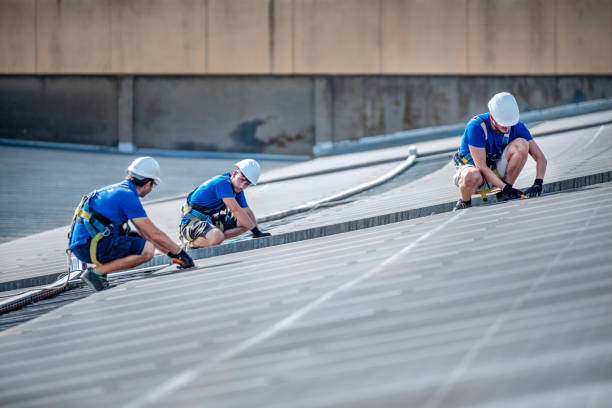
Safety Gear:
- Harnesses for working at heights
- Non-slip boots
- Hard hat
- Protective gloves
Investing in safety equipment is non-negotiable when working on elevated surfaces like roofs.
Plan for Weather Conditions
- Avoid working during extreme heat or wet conditions.
- Check forecasts to ensure clear skies throughout your project timeline.
- Secure exposed areas if unexpected rain occurs mid-project.
Time Commitment and Assistance Requirements
- Will you need extra hands? Enlist help from friends or family members if possible.
- How many days will it take? Larger roofs may require several days even with assistance.
- Account for breaks—roofing can be physically demanding work.
By addressing these considerations before starting your DIY metal roofing project, you’ll set yourself up for success while minimizing potential setbacks along the way. Proper preparation ensures an efficient workflow and results in a durable roof that protects your home for years to come.
Choosing the Right Metal Panel Type for Your Roofing Needs
Selecting the appropriate metal panel type for your roofing project is a crucial decision that influences the durability, aesthetic appeal, and overall functionality of your roof. With several types of metal panels available, understanding their features, benefits, and suitable applications can help you make an informed choice. Below is a comprehensive guide to help you choose the right metal panel type for your roofing needs.
Factors to Consider When Choosing Metal Panels
- Certain metal panels perform better in specific climates.
- For areas with heavy rainfall or snow, standing seam panels provide enhanced water resistance.
- Corrugated panels work well in regions with mild weather conditions.
- The appearance of your roof plays a significant role in curb appeal.
- Panels such as snap-lock offer a sleek and modern finish, while corrugated panels give a more rustic or industrial look.
- Costs between various types of metal panels can differ significantly.
- Corrugated metal tends to be more economical compared to premium options like standing seam or batten seam profiles.
- Residential properties often require visually appealing options such as standing seam or shingle-style panels.
- For barns, sheds, or industrial buildings, corrugated panels may be sufficient due to their affordability and durability.
- Some metals like aluminum resist rust and are ideal for coastal regions.
- Steel panels require proper coatings (e.g., galvanized or Galvalume) but tend to offer high strength.
Common Types of Metal Roofing Panels
| Panel Type | Description | Best Suited For | Cost Range ($ per sqft) |
| Standing Seam | Seamless vertical ribs; modern look | Residential & commercial roofs | $4–$8 |
| Corrugated Panels | Wavy shape; lightweight & durable | Sheds, barns, low-cost projects | $1–$2 |
| R-Panel | Ribbed profile; versatile | Industrial & agricultural roofs | $3–$6 |
| Shingle-Style | Mimics traditional shingles | High-end residential projects | $7–$12 |
Advantages of Popular Metal Panel Types
- Standing Seam Panels
These are known for their clean lines and weather-tight seams. They offer excellent protection against leaks due to their interlocking design but come at a higher price point. - Corrugated Metal Panels
Affordable yet durable, corrugated panels are widely used for utility structures. Their wavy design enhances strength but lacks the polished aesthetics desired on most residential homes. - R-Panels
These are preferred for large-scale projects thanks to their ease of installation and long-lasting performance under heavy-duty usage conditions.
Coating and Color Selection
Metal roofing often comes with protective coatings that extend its life span while enhancing resistance to corrosion: – Galvanized coating: Offers protection against rust using zinc. – Galvalume coating: Combines zinc and aluminum for superior corrosion resistance.
Additionally, consider energy-efficient paint finishes that reflect sunlight (e.g., cool roofing colors), reducing cooling costs in warmer climates.
Key Takeaways
Choosing the right metal panel type involves balancing aesthetics, functionality, cost considerations, and environmental factors specific to your location. By evaluating these aspects carefully alongside professional consultation when needed, you can ensure long-term satisfaction with your roof investment.
Choosing the Right Metal Panel Type for Your Roofing Needs
When considering a metal roof, selecting the right type of metal panel is a critical decision. The style, material, and installation method you choose will impact not only the functionality of your roof but also its longevity, appearance, and cost. Here’s an in-depth look at how to choose the right metal panel type for your roofing needs.
Popular Types of Metal Panels
- Features: Raised interlocking seams that create a sleek and modern look.
- Pros: Durable, low-maintenance, strong weather resistance.
- Best For: Residential homes, commercial buildings requiring a clean aesthetic.
- Features: Wavy or ribbed patterns that enhance strength and durability.
- Pros: Affordable, easy to install, lightweight.
- Best For: Barns, sheds, agricultural buildings, and budget-conscious projects.
- Features: Overlapping panels with exposed fasteners for quick installation.
- Pros: Cost-effective, suitable for large areas like warehouses or industrial structures.
- Best For: Commercial or industrial buildings needing functional solutions.
- Features: Designed to mimic traditional shingles or tiles while offering the benefits of metal roofing.
- Pros: Stylish appearance with excellent durability and resistance to weather conditions.
- Best For: Homeowners looking for premium aesthetics combined with long-term performance.
Factors to Consider When Choosing
- Climate Conditions: If you live in an area prone to heavy rain or snow loads, standing seam panels may offer superior water shedding capabilities.
- Aesthetic Preferences: Corrugated panels are ideal for rustic looks while standing seam designs offer modern appeal.
- Budget: Corrugated and R-panel options are often more affordable than standing seam or decorative shingles.
- Installation Complexity: Exposed fastener systems like corrugated panels are easier to install but may require more maintenance over time as fasteners loosen.
- Weight Load Limitations: Verify structural support when installing heavier materials such as metal tiles.
Comparison Table of Metal Panel Types
| Panel Type | Aesthetic | Installation Difficulty | Durability | Cost |
| Standing Seam | Modern/Sleek | Moderate | High | Higher |
| Corrugated | Rustic/Industrial | Easy | Medium | Lower |
| R-Panel (PBR) | Functional | Easy | Medium | Lower |
| Metal Shingles/Tiles | Premium/Traditional | Complex | High | Higher |
Maintenance Considerations
No matter which type you choose, proper maintenance is essential to maximize your investment: – Inspect for damaged panels annually. – Tighten any loose fasteners regularly (for exposed fastener systems). – Clean debris off the roof surface to prevent premature wear.
Choosing the right metal panel type depends on balancing functional requirements with aesthetic goals and budget considerations. By carefully weighing these factors and understanding key differences between panel types, you’ll select a solution tailored perfectly for your specific roofing project needs.
Understanding Roof Measurements and Calculations for Accurate Installation
Proper roof measurements and calculations are critical for a successful roofing project, whether you’re installing a metal roof or any other type of material. Accurate measurements not only ensure you purchase the correct amount of materials but also help save costs and minimize waste. Below, we’ll break down the key aspects of measuring and calculating your roof effectively.
Tools You’ll Need for Roof Measurement
- Measuring tape (preferably 25ft or longer)
- A sturdy ladder
- Carpenter’s square
- Roof pitch gauge (or an app as an alternative)
- Calculator
- Notebook or mobile device for recording measurements
Step-by-Step Guide to Measuring Your Roof
- Determine the Pitch of Your Roof
The roof pitch refers to its steepness or slope, typically expressed as a ratio (e.g., 4:12). You can measure the pitch using a pitch gauge or by placing a level against your roof and measuring how many inches it rises vertically over a horizontal distance of 12 inches. - Calculate the Area of Each Plane
Divide your roof into flat planes, such as rectangles or triangles. Measure the length and width of each plane in feet. - For rectangular planes: Multiply length × width.
- For triangular planes: Multiply base × height ÷ 2.
- Account for Pitch in Surface Area
Once you have surface area measurements for each plane, factor in the pitch to adjust for slope. Use this formula:
Adjusted Area = Measured Area × √(1 + Pitch²)
Adjusted Area = Measured Area × √(1 + (4/12)²)
- Add All Planes Together
Combine all adjusted surface areas from individual planes to get your total roof area. - Include Overlap and Waste Allowance
Add an additional 10-15% to account for material overlap, waste during cutting, and potential errors.

Example Table for Calculations
| Plane Number | Measured Length (ft) | Measured Width (ft) | Adjusted Surface Area (sq ft) |
| Plane 1 | 20 | 10 | 216 |
| Plane 2 | 15 | 8 | 144 |
| Total | – | – | ~360 |
Note: The above assumes a pitch adjustment factor has already been applied.
Common Mistakes to Avoid During Measurement
- Ignoring Roof Protrusions: Remember to account for obstructions such as chimneys or skylights that may alter your calculations.
- Underestimating Waste Allowance: Always budget extra material—especially if dealing with irregular shapes.
- Skipping Safety Precautions: Ensure proper use of ladders and fall protection while measuring steep or high-pitched roofs.
Accurate roof measurements serve as the foundation of any roofing project. By following these steps, you can ensure proper material estimation, avoid costly errors, and prepare effectively for installation day.
How to Budget Effectively for Your Roof Replacement or Installation Project
Planning and budgeting effectively for a roof replacement or installation project can save you significant time, stress, and money. Whether you’re replacing an aging roof or installing a new one, creating a well-defined budget ensures you can complete the project within your financial means without compromising quality. Below is an organized guide to help you budget effectively.
Factors That Affect Roofing Costs
- Roof Size: Larger roofs require more materials and labor, increasing overall costs.
- Material Type: Options range from asphalt shingles (budget-friendly) to metal roofing, slate, or tile (premium choices).
- Labor Costs: Labor expenses vary depending on location, roof complexity, and contractor experience.
- Roof Design/Complexity: Features like multiple angles, steep slopes, dormers, or skylights can increase costs.
- Removal of Old Roofing Material: If an existing roof needs to be removed before installation, this will add to the expense.
Steps for Budgeting Your Roof Project
- Assess Your Current Roof Condition
If replacing a roof, inspect it thoroughly or hire a professional roofer to assess its condition. Knowing its state helps you estimate repair/removal costs accurately. - Determine Your Roofing Material
Each material has its price range: - Asphalt shingles: $3 – $5 per square foot (affordable)
- Metal roofing: $8 – $14 per square foot (moderate)
- Slate/tile roofing: $15 – $30 per square foot (high-end)
- Measure Your Roof Area
Multiply the length and width of each section of your roof to calculate the total area in square feet (or squares). Accurate measurements prevent over-purchasing materials. - Get Multiple Estimates from Contractors
Obtain at least 3 estimates from local roofing contractors to compare prices for materials and labor. - Account for Additional Costs
Don’t forget these extra expenses: - Permit fees
- Dumpster rental for old material disposal
- Flashing/underlayment upgrades
- Ventilation enhancements
- Plan for Contingencies
Set aside at least 10%-15% of your budget for unexpected issues like rotted decking or hidden structural damage.
Sample Budget Table
| Expense Category | Estimated Cost ($) | Notes |
| Roofing Materials | 7,000 | Includes metal panels + underlayment |
| Labor Costs | 6,000 | Based on contractor estimate |
| Old Roof Removal | 1,500 | Dumpster rental + demolition |
| Permit Fees | 300 | Varies by region |
| Contingency Fund (15%) | 2,250 | For unforeseen issues |
Total Estimated Cost: $17,050
Tips to Save Money Without Sacrificing Quality
- Shop around for material discounts during seasonal sales.
- Check if your homeowner’s insurance covers part of the cost due to storm damage.
- Tackle smaller tasks yourself like removing old shingles if permitted by local regulations.
- Choose energy-efficient materials eligible for tax credits or rebates.
By following these steps and strategies carefully, you’ll create a realistic budget that aligns with both your financial capabilities and roofing needs while avoiding unexpected surprises during the process. This way you’ll ensure long-term results without overspending on unnecessary items or repairs while maintaining high standards in quality construction practices
Step-by-Step Guide to Installing a Metal Roof Like a Professional Roofer
Installing a metal roof can be a rewarding project when approached with the right tools, materials, and techniques. This guide will walk you through each step of the process to ensure your roof installation is durable, weather-resistant, and visually appealing.
Tools and Materials You’ll Need
Before beginning, gather all the necessary tools and materials. Having everything ready will save time and improve efficiency.
Essential Tools:
– Tape measure
– Chalk line
– Circular saw or metal cutting shears
– Screw gun or drill with hex head attachments
– Safety harness
– Roofing gloves
Materials:
– Metal roofing panels (corrugated or standing seam)
– Fasteners (screws with rubber washers)
– Flashing and trim pieces (ridge caps, eave trim, etc.)
– Synthetic underlayment or felt paper
– Sealant designed for roofing applications
Preparing Your Roof for Installation
- Inspect the Roof Structure: Ensure the roof deck is in good condition. Replace any damaged wood or materials as needed. A solid foundation is critical for supporting a metal roof.
- Remove Old Roofing Materials: Strip any old shingles or debris from your roof if you’re replacing an existing roof. Sweep away dirt and ensure the surface is clean before proceeding.
- Install Underlayment: Roll out synthetic underlayment across the entire surface of your roof deck. Secure it with staples or roofing nails to provide additional moisture protection beneath the panels.
- Add Drip Edge: Install drip edges along the eaves of your roof to direct water away from the fascia boards and prevent water damage.
Installing Your Metal Panels
- Take Accurate Measurements: Measure each section of your roof carefully to determine panel placement and avoid material waste.
- Start Installation at One End: Begin at one corner of your roof’s eave line and work progressively across to ensure proper alignment throughout the project.
- Overlap Panels Correctly: Place each panel so it overlaps slightly with its neighbor to prevent water infiltration between seams.
- Secure Panels Using Screws: Use screws with rubber washers at pre-drilled points on each panel rib. Space them evenly (typically every 12–18 inches) for maximum strength.
| Panel Type | Overlap Recommendation | Fastener Placement |
| Corrugated Panels | 1 ridge overlap | Screws on flat surfaces |
| Standing Seam | Seam overlap required | Clips along seams only |
Adding Flashing & Trim Pieces
- Install Ridge Caps & Flashing Sections: Apply ridge caps where two slopes meet using appropriate fasteners and sealant beneath them for watertight protection.
- Secure Eave Trim & Gable Ends: Attach metal trim pieces along edges for a polished look while protecting vulnerable areas from environmental elements like rain or snow.
Key Tips for Success:
- Always double-check measurements before making cuts to avoid errors that compromise fitment.
- Wear safety equipment when working at heights, including a harness tethered securely to an anchor point.
- Use specialized sealants designed specifically for metal roofs to extend longevity against leaks.
The Importance of Adding Flashing and Finalizing Your Roof Installation
Proper flashing installation and finalizing your roof are crucial steps to ensure the longevity, functionality, and safety of a roofing system. Whether you are working on a residential or commercial roof, overlooking these details can lead to long-term issues like water leaks, structural damage, and higher maintenance costs. Below is a detailed overview of why flashing is important, how it’s installed, and what to check when finalizing your roof.
Why Flashing is Essential
Flashing refers to thin pieces of impervious material (such as metal or vinyl) installed in key areas of the roof to prevent water infiltration. It redirects water away from vulnerable parts of the roof. Failing to add or properly install flashing may cause costly repairs later.
Key areas where flashing is required: – Roof Valleys: Where two sloped sections meet. – Chimneys: To seal gaps around the base. – Skylights: Prevents water from seeping into gaps around skylight perimeters. – Vents and Pipe Penetrations: Prevents leaks around exhaust pipes or HVAC vents. – Eaves and Ridges: Protects edges of the roofing material.
Types of Flashing Materials
| Material | Durability | Cost | Best For |
| Aluminum | Rust-resistant but lightweight | Moderate | Chimneys, valleys |
| Galvanized Steel | High strength, rust-resistant | Affordable | General purpose |
| Copper | Extremely durable, aesthetic | Expensive | High-end projects |
| Vinyl | Budget-friendly | Low-cost | Temporary solutions |
Steps for Installing Flashing
- Prepare Materials
Gather all required materials such as metal flashing pieces, nails/screws, roofing sealant, and appropriate tools (hammer, tin snips). - Measure and Cut Flashing
Use precise measurements to cut the flashing pieces so they fit snugly into place. - Place Flashing Pieces Securely
Install each piece at its designated location (e.g., valleys or chimneys). Ensure no gaps exist between joints. - Seal All Edges
Apply waterproof sealant along seams to enhance leak protection. - Fasten Carefully
Attach the flashing using screws or nails designed for roofing purposes without overtightening as this could warp the material.
Finalizing Your Roof Installation
- Inspect Seams and Joints: Carefully check all seams for gaps that might allow water penetration.
- Install Ridge Caps: Add ridge caps along roof peaks for added protection against wind-driven rain.
- Test Drainage System: Ensure gutters are connected properly so that rainwater flows off efficiently without pooling near critical areas.
- Remove Debris: Clean off leftover materials like nails or scrap metal that could damage the roof surface over time.
- Perform a Leak Test: Spray water on suspect areas (chimneys/vents) post-installation to confirm watertightness.
Common Mistakes To Avoid
Avoid these errors during installation: – Neglecting proper alignment when installing flashing pieces. – Using low-quality sealants prone to cracking under exposure. – Skipping an inspection stage after installation completion.
By prioritizing quality materials like durable metal flashings combined with precise execution during installation phases – you’ll maximize performance reliability throughout years ahead while minimizing risks tied back into premature failures from overlooked finalization aspects overall!
- Comprehensive 10-Step Guide to Installing Metal Roofing by a St Michael MN Roofer
- The Importance of Professional Roofing Services St Michael MN After Severe Storms
- The Step Process to Your Roof Replacement with a Trusted Roofing Contractor Saint Michael MN
- Key Warning Indicators That Mean It’s Time to Call a St Michael MN Roofing Company for a Full Roof Replacement
- Key Warning Signs You Need a Roof Replacement from a St Michael MN Roofer
- Comprehensive Guide by St Michael MN Roofing Company: How to Install Metal Roofing in 8 Steps
- Comprehensive Guide for Post-Hail and Wind Damage Repair by a St Michael MN Roofer
- Tips from a St Michael MN Roofer on Identifying Common Signs of Roof Damage