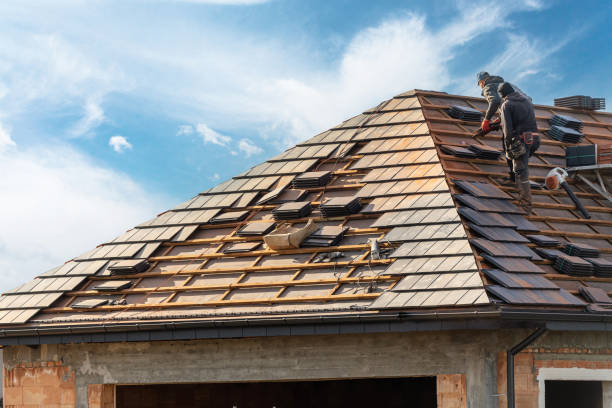
Your roof is one of the most critical components of your home’s structure, as it provides protection from the elements and contributes to overall energy efficiency. While regular maintenance can extend the lifespan of a roof, there comes a time when replacement becomes necessary. Recognizing the warning signs early can help prevent costly damage to your home. Below are some key indicators that it might be time for a roof replacement.
Visible Damage to Shingles
- Curling or Buckling Shingles: These may indicate age-related wear or exposure to high moisture levels beneath the surface.
- Cracked or Broken Shingles: This could signal that your shingles are nearing the end of their lifespan and cannot provide adequate protection anymore.
- Missing Shingles: Gaps in the roofing material expose underlying layers to water infiltration, leading to potential leaks and structural damage.
If these issues are widespread rather than isolated, it could mean repairs are insufficient, and replacement is necessary.
Water Leaks or Stains Inside Your Home
- Water Stains on Ceilings or Walls: Discolored patches might suggest moisture is seeping through gaps in your roofing system.
- Mold or Mildew Growth: Persistent dampness in areas like an attic can encourage mold growth, which poses both health risks and structural concerns.
Addressing these symptoms quickly is essential before minor leaks escalate into significant repair demands.
Age of Your Roof
| Roofing Material | Typical Lifespan (Years) |
| Asphalt Shingles | 20–30 |
| Metal Roofing | 40–70 |
| Tile Roofing | 50+ |
| Wood Shake | 20–40 |
If your roof is approaching—or has surpassed—its expected lifespan, replacing it proactively can save you from sudden emergencies.
Sagging Rooflines
A sagging or uneven roofline is one of the more serious warnings that structural integrity may be compromised due to water damage, poor installation, or underlying rot. If you notice this issue, consult with a professional roofer immediately.
Granule Loss in Gutters
Asphalt shingles contain granules that protect them from UV rays and weathering. If you notice excessive granules accumulating in gutters or near downspouts, it could mean your shingles are deteriorating rapidly.
Rising Energy Bills
An inefficient roof may struggle to regulate indoor temperatures effectively due to compromised insulation or ventilation systems. Higher utility bills during extreme weather months could suggest it’s time for an upgrade.
Recognizing these warning indicators early ensures you take proactive steps toward maintaining your home’s long-term safety and value while avoiding larger expenses down the road. If you’re unsure about whether repairs will suffice or if replacement is required, schedule an inspection with a trusted roofing professional for expert guidance tailored specifically to your home’s condition.
Top 9 Signs You Need a Complete Roof Replacement by a Roofing Contractor Saint Michael MN
Maintaining a sturdy roof is critical to the safety and longevity of your home. However, over time, wear and tear can compromise its structure. Recognizing when it’s time for a complete roof replacement can save you from more significant costs and potential hazards. Below are nine key signs that indicate your roof has reached the end of its lifespan or is no longer repairable.
1. Age of the Roof
- Asphalt shingles: 20–30 years.
- Metal roofs: 40–70 years.
- Clay tiles: Over 50 years.
- If your roof is nearing or has exceeded its expected lifespan, it’s likely time to consider a replacement.
2. Missing or Damaged Shingles
Shingles play a vital role in protecting your roof from water infiltration and other environmental elements. Look out for: – Shingles that are cracked, curling, or buckling. – Bald spots where granules are missing. – Entire shingles that have fallen off due to wind or aging adhesive.
3. Leaks or Water Damage
Persistent water leaks inside the home are one of the most apparent signs of roofing failure. If you notice: – Water stains on ceilings or walls. – Dripping during heavy rainstorms. – Mold growth in areas near roofing joints or flashing.
These issues often signal severe damage that requires more than just patchwork repairs.
4. Sagging Roof Deck
A sagging roof often indicates structural problems beneath the shingles: – Rotted decking due to prolonged moisture exposure. – Weak framing caused by excessive weight (e.g., accumulated snow). If sagging is visible, it’s essential to address it immediately before it worsens.
| Visible Sagging Area | Likely Cause | Recommended Action |
| Small localized dips | Rot in decking | Inspect & replace deck |
| Wide/entire sections | Structural compromise | Full roof replacement |
5. Damaged Flashing Around Chimneys or Skylights
Flashing seals vulnerable areas where chimneys, vents, skylights, and other structures meet the rest of the roof. Over time, flashing can deteriorate due to weather exposure. Signs of damaged flashing include: – Rusted metal edges. – Loose or detached pieces. Replacing just the flashing may suffice for minor issues, but extensive damage might require broader repairs.
6. Excessive Granule Loss
Granules on asphalt shingles protect them from UV rays and provide fire resistance. Over time: – Aging shingles lose granules faster. – Rain gutters may start collecting significant amounts of granules after storms.
Granule loss reduces your roof’s overall durability and usually signals advanced aging.
7. Daylight Showing Through Roof Boards
If you visit your attic and notice daylight coming through cracks in the boards above, this is a clear indication that your roofing materials have deteriorated significantly: – Gaps could allow water infiltration during storms. – Small holes can worsen over time if left unaddressed.
8. High Energy Bills Due to Poor Insulation
An aging or failing roof can contribute directly to heat loss during winter and heat gain during summer by compromising insulation performance. Warning signs include: – Difficulty maintaining consistent indoor temperatures despite HVAC use. Replacing an older roof can improve energy efficiency with modern materials designed for better thermal performance.
9. Frequent Need for Repairs
If you find yourself repeatedly repairing parts of your roof after every storm season—or even repairing minor leaks regularly—this pattern likely points toward larger systemic issues with durability and performance that merit full replacement rather than piecemeal fixes.
By watching for these warning indicators early on, homeowners can avoid emergency situations such as interior flooding or structural collapse while optimizing costs tied to their property’s long-term maintenance needs
How Water Damage in the Attic or Upstairs Can Signal Serious Roofing Issues
Water damage in your attic or upstairs areas is one of the most significant warning signs of roofing problems. Ignoring these issues can lead to costly repairs, structural damage, and even health risks such as mold growth. This section explores how water damage signals larger roofing issues and highlights key steps homeowners should take when faced with this problem.
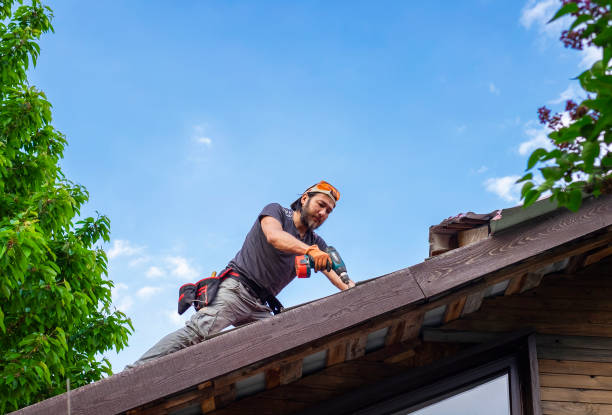
Signs of Water Damage to Watch For
- Stains on Ceilings or Walls: Yellow or brown discoloration on ceilings or walls often indicates a roof leak.
- Peeling Paint or Wallpaper: Moisture trapped behind walls can cause paint to bubble or wallpaper to peel.
- Dripping Water: If you notice water dripping from ceilings during storms, it’s a clear sign of roof failure.
- Mold Growth: Mold thrives in damp environments and is often found in attics with persistent leaks.
- Damp Insulation: Wet attic insulation reduces energy efficiency and may point to a leaking roof above.
Why Water Damage Happens
| Cause | Description |
| Damaged Shingles | Missing, curling, or broken shingles expose your roof to water infiltration. |
| Failing Flashing | Improperly sealed flashing around chimneys, vents, or skylights lets water seep in. |
| Clogged Gutters | Blocked gutters prevent proper drainage, forcing water onto the roof surface. |
| Poor Ventilation | Inadequate airflow creates moisture buildup that eventually damages wood and insulation. |
Risks Associated with Neglected Water Damage
- Structural Weaknesses
Over time, prolonged exposure to moisture weakens beams, rafters, and other structural elements. - Health Hazards from Mold Growth
Mold spores can trigger allergies, respiratory issues, and other health complications. - Increased Energy Costs
Wet insulation loses its ability to retain heat, driving up heating and cooling expenses. - Escalating Repair Costs
Minor leaks left unattended often lead to widespread problems that require extensive repairs.
Steps Homeowners Should Take
- Inspect your attic for visible signs of leaks during or after rainfall.
- Check for warped wood beams or wet insulation materials.
- Call a professional roofing contractor for an inspection to determine the extent of the issue.
- Repair minor leaks promptly; if major problems are detected, consider a full roof replacement.
- Improve attic ventilation if excess moisture is present but unrelated to direct leakage.
Preventative Measures
- Schedule regular roofing inspections (at least twice a year).
- Keep gutters clean and free-flowing at all times.
- Replace worn-out shingles before they cause leaks.
- Ensure flashing around vents and chimneys is adequately sealed.
Addressing water-related roofing problems early ensures the longevity of your home’s structure while protecting its occupants from potential hazards associated with neglecting a compromised roof system.
Understanding Roof Damage: What Curling, Buckling, or Missing Shingles Mean for Your St Michael MN Roofing Company
Your roof is one of the most critical components of your home’s structural integrity. When it begins to show visible signs of wear and tear—such as curling, buckling, or missing shingles—it’s essential to assess the situation promptly. These issues can indicate deeper problems that may compromise your roof’s effectiveness and longevity. Here’s a closer look at what these signs mean and why they shouldn’t be ignored.
Understanding Curling Shingles
- Aging Materials: Over time, asphalt shingles naturally deteriorate due to prolonged exposure to sunlight, wind, and rain.
- Improper Installation: Poor installation techniques can result in shingles failing prematurely.
- Moisture Issues: Excess moisture trapped within or under the shingles can lead to curling.
Curling shingles reduce your roof’s ability to shed water properly. This makes your home more vulnerable to leaks and water damage.
Why Buckling Shingles Are Concerning
- Improper Ventilation: Poor attic airflow can cause temperature fluctuations that weaken roofing materials.
- Moisture Build-Up: Prolonged moisture in decking materials may lead to swelling that pushes up the shingles.
- Incorrect Underlayment Installation: A poorly installed underlayment can distort over time and affect shingle placement.
Buckled shingles not only affect curb appeal but also allow wind-driven rain and debris to infiltrate beneath them, leading to potential damage underneath.
Missing Shingles: A Serious Warning Sign
- High Winds or Severe Weather Events: Storms can lift and dislodge older or improperly secured shingles.
- Material Fatigue: Aging roofs lose granules and adhesive strength over time, making them more susceptible to loosening.
- Poor Maintenance Practices: Neglecting routine inspections can leave damage unnoticed until severe problems arise.
When you have bare spots on your roof where shingles are missing, not only is water penetration a risk but so is further erosion of nearby materials.
Potential Consequences of Ignoring These Issues
| Problem | Possible Consequences |
| Water Leaks | Damaged insulation, drywall issues |
| Mold Growth | Health hazards for occupants |
| Increased Energy Costs | Reduced thermal efficiency |
| Shortened Roof Lifespan | Need for premature replacement |
Steps You Should Take When You Notice Damage
- Schedule an Inspection: Have a professional roofing contractor assess the extent of damage immediately.
- Determine Repair vs Replacement: Depending on overall roof condition, decide whether repairs will suffice or if a full replacement is necessary.
- Address Underlying Issues: Ensure proper ventilation and resolve moisture build-up concerns during any repair work.
Regular maintenance goes a long way in preventing shingle-related problems from spiraling into costly repairs or replacements. By staying proactive about roof care and addressing warning signs like curling or missing shingles early on, you protect both your home’s structure and value effectively.
What Curling, Buckling, or Missing Shingles Mean for Your Roof’s Health
Understanding the condition of your shingles is crucial when evaluating the overall health of your roof. Curling, buckling, or missing shingles are not just cosmetic issues; they often serve as warning signs of deeper structural problems that could lead to costly repairs if left unaddressed. Here’s what these issues mean for your roof and what steps you should take to maintain its integrity.
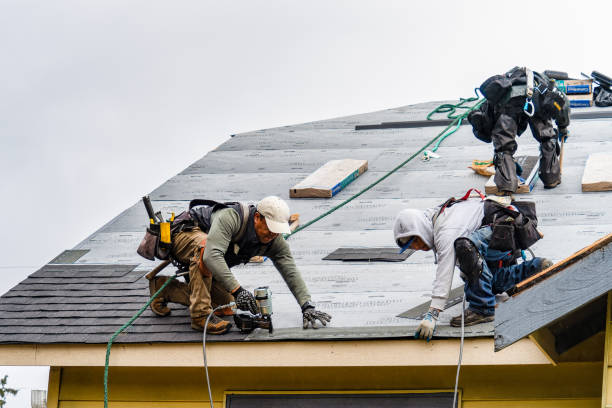
Curling Shingles: Causes and Implications
- Age-related wear and tear: Over time, roofing materials degrade due to constant exposure to weather conditions such as sunlight, rain, and snow.
- Improper installation: Poor installation methods can lead to inadequate sealing or fastening, causing shingles to curl prematurely.
- Moisture buildup in the attic: Inadequate ventilation in the attic can allow moisture buildup that affects shingle durability.
Curling shingles can compromise your roof’s ability to shed water effectively. As a result, water may seep underneath the shingles, leading to leaks and even interior damage if left unchecked.
Buckling Shingles: Warning Signs of Underlying Issues
- Moisture trapped under roofing layers: Poor underlayment or insulation traps moisture that forces shingles upward over time.
- Roof decking movement: Shifting or warping in your roof decking can create uneven surfaces where buckling occurs.
- Poor ventilation: Without proper airflow within the attic space, excess heat can cause materials to expand unevenly.
The presence of buckled shingles increases susceptibility to wind damage and accelerates overall deterioration. If ignored, this issue may lead to widespread water infiltration and higher repair costs down the road.
Missing Shingles: A Sign Your Roof is Vulnerable
- High winds or extreme weather events: Severe storms can dislodge aging or improperly installed shingles.
- Old adhesive failure: Over time, roofing adhesives lose their strength and allow shingles to detach easily.
- Worn-out materials: Roofing materials naturally weaken after years of exposure.
When shingles go missing, sections of your roof become exposed directly to environmental elements like UV rays and precipitation. This accelerates deterioration in those areas and increases the likelihood of leaks into your home’s interior spaces.
How These Issues Affect Your Roof’s Health
| Condition | Potential Risks |
| Curling Shingles | Water infiltration under loosened edges; potential mold growth inside |
| Buckling Shingles | Increased exposure to wind uplift; weak points for leaks |
| Missing Shingles | Direct exposure of roofing layers; damaged insulation; risk of rot |
Ignoring these warning signs could eventually necessitate a full replacement rather than smaller-scale repairs.
Steps You Can Take
- Schedule regular inspections (at least once per year).
- Replace damaged or missing sections promptly before problems worsen.
- Consult a licensed roofer if multiple problem areas appear across your roof.
- Ensure proper attic ventilation with vents or fans for moisture control.
- Use high-quality materials during repairs for greater longevity.
Proactively managing these common roofing problems ensures that minor issues don’t snowball into significant expenses while safeguarding both your home’s structural integrity and long-term value.
What Curling, Buckling, or Missing Shingles Mean for Your Roof’s Health
Your roof is one of the most critical components of your home, protecting it from harsh weather conditions and ensuring your family’s safety. However, over time, shingles can begin to show signs of wear and tear. Curling, buckling, or missing shingles are not just cosmetic issues—they may be indicators of severe roofing problems that require immediate attention. Below, we break down what these signs mean for the health of your roof and why addressing them is essential.
Causes of Curling Shingles
- Age-related wear: As roofing materials age, they lose their flexibility and start to curl upward or downward.
- Improper installation: Poor installation techniques can prevent shingles from laying flat on the roof surface.
- Ventilation problems: Insufficient attic ventilation leads to trapped moisture and heat buildup, which can cause shingles to warp over time.
- Exposure to extreme weather: Prolonged exposure to intense sunlight or freezing temperatures weakens shingle materials, resulting in curling edges.
The Impact of Buckling Shingles
- Moisture buildup: Excess moisture in the underlying roof deck causes swelling and uneven shingle placement.
- Poor underlayment installation: If the protective layer beneath your shingles was improperly installed or has deteriorated over time, it may lead to buckling.
- Structural movement: Houses naturally settle over time; shifting structures can sometimes cause uneven pressure on roofing materials.
Buckled shingles compromise not only the aesthetic appeal of your roof but also its ability to keep water out effectively.
Risks Associated with Missing Shingles
- Water intrusion: Without proper coverage, rainwater can seep into your home’s structure and cause leaks in ceilings or walls.
- Weakened insulation: Exposed areas fail to provide proper thermal protection against external elements.
- Accelerated deterioration: Missing sections allow UV rays and moisture to damage underlying materials more quickly.
How These Issues Affect Your Roof’s Health
| Problem | Possible Consequences | Cost Implications |
| Water leaks | Mold growth, interior water damage | High repair costs |
| Compromised insulation | Higher energy bills | Long-term financial strain |
| Reduced lifespan | Accelerated deterioration | Full replacement sooner |
Steps You Can Take Now
- Schedule a professional inspection with a trusted roofer.
- Replace damaged sections immediately if problems are localized.
- Consider re-roofing if structural issues are widespread or severe.
- Ensure adequate attic ventilation and address any insulation concerns.
Preventative maintenance is key in extending the life of your roof while minimizing long-term costs associated with neglecting these warning signs.
Proactively managing roofing concerns ensures both safety for inhabitants and protection for valuables housed beneath it—a wise investment for any homeowner looking toward a stable future for their property.
What to Do When Roofing Inspections Reveal Repairs Aren’t Enough
Roof inspections are crucial for identifying potential problems before they escalate. However, there are times when a simple repair may not suffice. If your roofing inspection reveals extensive damage or signs of long-term wear, it may be time to consider a full roof replacement. Below, we’ll explore the steps to take when repairs aren’t enough, and how to make an informed decision moving forward.
Assess the Extent of the Damage
- Widespread leaks: Occasional leaks can often be fixed, but if multiple areas across your roof are leaking, this indicates significant underlying issues.
- Structural damage: Indicators like sagging roofs or compromised decking show that replacing your roof may be necessary.
- Extensive mold or rot: Persistent moisture problems can lead to mold and decay of roofing materials.
Key Factors That Make Replacement Necessary
- Asphalt shingles typically last 20-30 years.
- Metal roofs can last 40-70 years but still require regular inspections. If your roof is nearing or beyond its expected lifespan, patchwork repairs might be a waste of money.
- Damage caused by storms (e.g., hail or strong winds) can compromise large sections at once.
- Persistent water intrusion could lead to structural instability throughout.
- If repair costs approach 50% or more of what a full replacement would cost, experts generally recommend opting for a new roof instead.
| Situation | Typical Repair Cost | Average Replacement Cost |
| Minor shingle replacement | $200-$600 | N/A |
| Fixing moderate leaks | $500-$2,000 | N/A |
| Major water damage repair | $4,000+ | $7,000-$15,000 (replacement) |
Consult with Roofing Professionals
- Request multiple quotes for both repair and replacement options.
- Ask for a detailed assessment explaining why one option is recommended over another.
- Ensure they inspect not just surface-level issues but also underlying structural aspects such as decking and insulation.
Understand Your Financial Options
- Check if homeowner’s insurance covers part of the cost (e.g., storm-related damages).
- Explore financing options offered by roofing companies.
- Consider energy-efficient materials that qualify for tax credits or utility rebates.
Preventative Measures for Longevity
- Scheduling annual professional inspections.
- Keeping gutters clear so water doesn’t pool on your roof.
- Trimming overhanging tree branches to prevent debris buildup.
Caring for your new investment ensures you maximize its value while minimizing unexpected costs down the line.
By addressing inspection findings appropriately and considering all relevant factors thoroughly, homeowners can ensure their roofing decisions serve both immediate needs and long-term goals effectively.
- Comprehensive 10-Step Guide to Installing Metal Roofing by a St Michael MN Roofer
- The Importance of Professional Roofing Services St Michael MN After Severe Storms
- The Step Process to Your Roof Replacement with a Trusted Roofing Contractor Saint Michael MN
- Key Warning Indicators That Mean It’s Time to Call a St Michael MN Roofing Company for a Full Roof Replacement
- Key Warning Signs You Need a Roof Replacement from a St Michael MN Roofer
- Comprehensive Guide by St Michael MN Roofing Company: How to Install Metal Roofing in 8 Steps
- Comprehensive Guide for Post-Hail and Wind Damage Repair by a St Michael MN Roofer
- Tips from a St Michael MN Roofer on Identifying Common Signs of Roof Damage