Replacing your roof is a significant investment and a critical step in maintaining your home’s structure and value. Understanding the process can reduce stress and ensure you’re prepared for what lies ahead. Below is a detailed, step-by-step guide to help homeowners navigate this important project effectively.
Comprehensive Roofing Services St Michael MN: Initial Roof Inspection
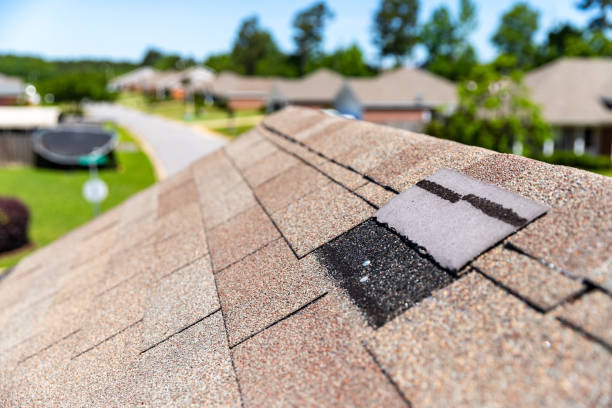
Before starting any replacement, a thorough inspection is essential to assess the current state of your roof. This includes identifying damage such as leaks, worn materials, missing shingles, or structural concerns.
- Damaged or curling shingles
- Leaks or water stains inside the attic
- Flashing wear around chimneys and vents
- Mold growth or soft spots in decking
If possible, request photos of any visible damage during this stage for future reference.
Selecting the right contractor is key to ensuring quality work. Look for licensed, insured professionals with strong reviews and experience handling similar projects.
- Request at least three quotes from different contractors
- Check certifications from manufacturers (e. g.
- Verify their warranty offerings on labor and materials
The type of roofing material you choose impacts aesthetics, durability, cost, and energy efficiency. Discuss options with your contractor based on your budget and climate needs.
| Material Type | Lifespan | Benefits |
| Asphalt Shingles | 20-30 years | Affordable & widely available |
| Metal Roofing | 40-70 years | Durable & energy-efficient |
| Clay Tiles | Up to 100 years+ | Long-lasting but heavy |
| Wood Shakes/Shingles | About 30 years | Natural appearance |
Most municipalities require permits for roof replacement work. Your contractor should handle this on your behalf; however, confirm the necessary approvals are in place before labor begins.
Roof replacements can be noisy and messy. Protect valuables inside by moving fragile items away from walls or ceilings that could vibrate during construction.
Additional preparations homeowners should consider:
– Clearing driveways so contractors have easy access
– Covering landscaping near the house with tarps
– Informing neighbors about potential disruptions
The first major phase of construction involves removing old roofing materials down to the deck. This step allows contractors to inspect decking for rot or damage before applying new materials.
Key points homeowners should monitor:
– Proper disposal of debris (confirm contractor has a dumpster)
– Inspection results shared by contractors if issues arise
If rotted wood is found during removal, it must be replaced before continuing with installation work to ensure structural integrity.
Common repairs include:
– Replacing damaged plywood panels
– Reinforcing weak areas
Once repairs are complete, contractors will install underlayment—a layer that provides additional water resistance—and begin applying shingles or other chosen materials according to manufacturer guidelines.
After installation is complete: contractors remove all tools/debris while inspecting their work one last time alongside you—the homeowner—to ensure satisfaction meets agreed expectations outlined earlier via contract agreements
The Importance of Choosing a Trusted St Michael MN Roofing Company for Your Roof Installation Day
Roof replacement is a complex process that involves several stages, from initial inspection to final cleanup. Among all these steps, the actual roof installation day stands out as the most critical. This phase not only determines how well your roof functions but also influences its longevity and overall performance. Below, we’ll outline why this step is so vital and what you can do to ensure it goes smoothly.
Precision Matters During Installation
The installation process is where every detail of planning meets execution. Even the best roofing materials can fail if they are not installed correctly.
– Leaks: Incorrect placement of shingles or inadequate sealing around vents and chimneys can allow water intrusion.
– Structural Damage: Improper nailing techniques or uneven placement of materials can compromise the structural integrity of your roof.
– Premature Wear: A poorly installed roof may not last its intended lifespan, resulting in higher long-term costs for repairs or replacement.
Hiring a skilled, experienced roofer ensures these issues are avoided, and your investment offers maximum value.
Key Components Checked on Installation Day
- Application of an underlayment provides a barrier against moisture penetration.
- Flashing is carefully installed around vulnerable areas like chimneys and skylights.
- Proper ventilation prevents overheating in summer and reduces moisture buildup in winter.
- Ridge vents, soffit vents, or other systems are installed based on your home’s specific needs.
- Shingles must be aligned precisely for both aesthetic appeal and functionality.
- Nails are placed correctly to avoid loosening over time due to wind or weather conditions.
- Before finishing up, professional installers will check for any gaps or inconsistencies across the roofing surface.
- Gutters are inspected to ensure proper drainage away from the foundation.
Why Homeowners Should Be Involved
While skilled professionals handle most aspects of installation day, homeowners also play an important role by staying informed about the process: – Ask questions about any material being used or specific techniques applied. – Inspect progress (if safe) or request updates throughout the day. – Address unexpected issues immediately if they arise during installation.
This involvement ensures you understand what’s happening on-site while also holding contractors accountable for quality work.
Long-Term Impact of Proper Installation
Ensuring a successful roofing installation impacts more than just functionality—it affects energy efficiency, curb appeal, and home value: | Benefits | Details | |———-|———| | Energy Efficiency | Proper insulation and ventilation reduce heating/cooling costs year-round. | | Curb Appeal | Well-installed roofs enhance aesthetic appeal with clean lines and consistent finishes. | | Home Value | Buyers often prioritize homes with recently replaced roofs completed by reputable contractors.
By focusing on quality during installation day, you’re investing in peace of mind for years to come while avoiding costly future repairs caused by mistakes during this critical step.
The Hidden Costs of Hiring the Cheapest Roofer and How to Make the Right Choice
Choosing a roofing contractor is one of the most critical decisions you’ll make as a homeowner when it comes to protecting your property. While it may be tempting to go with the cheapest option, there are often hidden costs associated with hiring budget-friendly roofers that can lead to long-term headaches. Understanding these hidden costs and knowing how to make an informed decision will save you time, money, and stress in the long run.
Hidden Costs of Hiring the Cheapest Roofer
- Low-Quality Materials
Cheap roofers often cut costs by using substandard materials. Poor-quality shingles, fasteners, or underlayment can deteriorate quickly, leading to frequent repairs or even premature replacement of your roof. - Poor Workmanship
Inexperienced or under-qualified contractors may lack the skills necessary for a proper installation. - Improper sealing around vents and chimneys
- Uneven shingle placement
- Weak structural reinforcements
- Warranty Issues
Many low-cost roofers do not offer comprehensive warranties on their work or materials. In some cases, improper installation by unqualified contractors can void manufacturer warranties entirely. - Frequent Repairs
A poorly installed roof is more likely to develop leaks, cracks, or other issues that require ongoing maintenance. Over time, these repair costs can add up significantly. - Insurance Risks
Budget contractors may not carry adequate insurance coverage. If an accident occurs on your property during the project—whether it’s worker injury or damage to your home—you could be left financially responsible. - Project Delays and Mismanagement
Cheaper contractors might lack proper project management skills, leading to delays in completion. Delays can also leave your home exposed to weather-related damages during construction.
How to Make the Right Choice When Hiring a Roofer
- Verify that the contractor is licensed and insured in your state.
- Check for certifications from reputable organizations like GAF or CertainTeed.
- Read Reviews and Ask for References
Look for online reviews on platforms like Google or Yelp as well as testimonials from previous clients. - Request Multiple Quotes
Compare quotes from at least three roofing companies but focus on value rather than price alone. - Inspect Warranties Offered
Ensure they offer both material warranties from manufacturers and workmanship guarantees covering installation-related issues over several years. - Evaluate Communication and Transparency
A trustworthy contractor will:- Provide a detailed written estimate outlining labor costs, materials used, timelines, etc.
- Be clear about potential additional charges (e. g. , unforeseen structural repairs).
- Visit Past Projects (if possible)
Viewing completed jobs allows you insight into their craftsmanship quality over time.
| Factor | Low-Cost Roofer | Reliable Professional |
| Material Quality | Substandard | Premium-grade |
| Installation Skills | Inexperienced | Certified & Skilled |
| Warranty Coverage | Limited/nonexistent | Comprehensive |
| Risk of Repairs | High | Low |
By carefully considering these factors when hiring a roofer, you’ll not only protect your home but also gain peace of mind knowing that your investment was worthwhile.
Signs That You’re Working with the Wrong Roofer and How to Find a Reliable Professional
Choosing the right roofer is critical to ensuring your roof installation or repair is completed safely, efficiently, and to a high standard. Unfortunately, not all roofing contractors maintain the same level of professionalism or expertise. Below are seven red flags that may indicate you’re working with the wrong roofer, along with actionable tips on how to find a reliable professional for your project.
A professional roofer should maintain clear and consistent communication throughout the project. If you find it difficult to get in touch with them or they are vague about timelines, pricing, or scope of work, this can signal disorganization or lack of reliability.
What to Look for:
– Contractors who respond promptly to phone calls and emails
– Detailed explanations of processes and timelines
– Willingness to answer all your questions
Roofers without up-to-date licenses or insurance coverage put you at financial risk if something goes wrong during the project. Always verify credentials before signing any contracts.
Key Documents a Reputable Roofer Should Provide:
– Proof of state licensing required for roofing work
– General liability insurance certificates
– Workers’ compensation coverage
While low prices may initially seem appealing, an estimate significantly lower than competitors’ prices could mean subpar materials, rushed work, or unexpected hidden costs later on.
How to Avoid This Issue:
– Obtain multiple quotes from different roofers for comparison
– Ask about the specific materials being used (e. g.
– Be wary of estimates that lack detailed breakdowns

| Contractor A | Contractor B | Contractor C |
| Quote: $15K | Quote: $10K | Quote: $8K |
| Materials: Premium Shingles | Mid-Tier Shingles | No Materials Listed |
A lack of a written contract opens doors for disputes over costs, timelines, and scope of work. Any contractor unwilling to formalize an agreement in writing is not someone you want handling such an important project.
Items Your Roofing Contract Should Include:
– Total cost of labor and materials
– Project start date and estimated completion date
– Warranty information for both materials and workmanship
Always check online reviews on platforms like Google Reviews, Yelp, or Better Business Bureau (BBB). If there are frequent complaints about unfinished projects or poor-quality repairs—or worse yet—no reviews at all, this can be a sign you’re dealing with an unreliable contractor.
What You Can Do:
Request references from previous clients directly from the roofer. 2. Follow up with those references by asking detailed questions about their experience. 3. Look for patterns in online reviews rather than focusing on one-off complaints.
Beware of contractors who push you into making hasty decisions without giving you time to compare options or think things through.
Signs of Pressure Tactics: – Insisting that “this deal is only available today”
– Asking for large upfront payments before any work begins
Instead, choose contractors who are transparent about their pricing structures and allow you sufficient time to make informed decisions.
Roofers working out of town without an established local presence might not be available if issues arise after the job is complete.
Why Local Matters: – Established reputation within your community – Familiarity with local building codes and climate needs – Ability to provide ongoing support through warranties.
How To Find A Reliable Roofer
- Check reviews online.
- Verify licensing credentials via state registries.
- Review portfolios showcasing previous projects.
- Compare pricing breakdowns across contractors.
- Focus on value over cost alone—consider both materials being used and warranties offered.
- Ensure warranties cover both manufacturer defects (materials) as well as labor (workmanship).
- Schedule consultations where possible—it’s easier to gauge trustworthiness face-to-face.
By keeping these warning signs in mind while actively seeking qualified professionals through proper vetting practices like those listed above—you can safeguard yourself against hiring inexperienced contractors who fail expectations long-term while protecting one of your home’s most essential assets effectively safekeeping peace-of-mind moving forward into future maintenance plans alike
St Michael MN Roofer: Roof Repair vs. Replacement – Which Option is Best for Your Home?
Deciding between a roof repair and a full replacement can be a challenging decision for any homeowner. Below is an in-depth look at how to evaluate whether a repair or replacement is the right choice for your home.
Factors to Consider When Evaluating Your Roof’s Condition
Before making a decision, it’s essential to assess the current state of your roof.
- Asphalt shingle roofs typically last 20-30 years.
- Minor damage such as missing shingles, small leaks, or localized wear can often be repaired.
- Widespread issues like sagging, structural damage, or extensive water infiltration may require full replacement.
- Repairs are generally less expensive in the short term but might not address underlying issues if damage is widespread.
- A roof replacement has higher upfront costs but offers long-term peace of mind and increased energy efficiency.
- A new roof with modern materials can improve insulation and reduce energy bills.
- Repairing an older roof may not provide the same efficiency gains.
- Replacement allows you to upgrade materials or colors to enhance curb appeal.
- Repairs may not fully restore your roof’s appearance if materials are mismatched.
The Benefits of Roof Repairs
For homeowners dealing with minor issues, repairs can be a practical solution.
- Cost Savings: Repairs are often more affordable than replacements.
- Quick Turnaround: Small repairs typically take less time compared to replacing an entire roof.
- Preservation of Materials: Repairs retain most of the existing roofing structure and materials.
Ideal Scenarios for Repairs
- A few shingles are cracked or loose after a storm.
- Flashing around chimneys or vents has minor damage causing leaks.
- Small areas of water damage that haven’t spread.
When Roof Replacement Is Necessary
- Comprehensive Damage: Severe weather events or years of neglect often result in irreparable harm to key roofing components like decking or underlayment.
- Frequent Repairs Needed: If you find yourself repairing leaks regularly, these costs can quickly add up over time—making replacement more economical.
- Outdated Materials: Older roofing systems may no longer comply with building codes or energy standards.
Advantages of Replacing Your Roof
- Enhanced durability with modern materials designed to withstand harsh climates.
- Better resale value for homeowners planning to sell their property in the near future.
- Opportunities for upgrading ventilation systems during installation.
Cost Comparison Table: Repair vs.
| Factor | Roof Repair | Roof Replacement |
| Average Cost | $300-$1,000 | $5,000-$15,000+ |
| Project Timeline | 1–2 days | 3–7 days |
| Longevity | Temporary fix | 20–50+ years (depending on material) |
| Energy Efficiency | Minimal improvement | Significant improvement |
Seeking Professional Guidance
Ultimately, deciding between repairing and replacing your roof depends on careful evaluation and advice from trusted roofing professionals. Schedule an inspection with an experienced roofer who can provide tailored recommendations based on your home’s unique needs. A reputable contractor will help you weigh your options while ensuring that any solution aligns with both your budget and long-term goals for maintaining a safe and comfortable home environment.
- Comprehensive 10-Step Guide to Installing Metal Roofing by a St Michael MN Roofer
- The Importance of Professional Roofing Services St Michael MN After Severe Storms
- The Step Process to Your Roof Replacement with a Trusted Roofing Contractor Saint Michael MN
- Key Warning Indicators That Mean It’s Time to Call a St Michael MN Roofing Company for a Full Roof Replacement
- Key Warning Signs You Need a Roof Replacement from a St Michael MN Roofer
- Comprehensive Guide by St Michael MN Roofing Company: How to Install Metal Roofing in 8 Steps
- Comprehensive Guide for Post-Hail and Wind Damage Repair by a St Michael MN Roofer
- Tips from a St Michael MN Roofer on Identifying Common Signs of Roof Damage