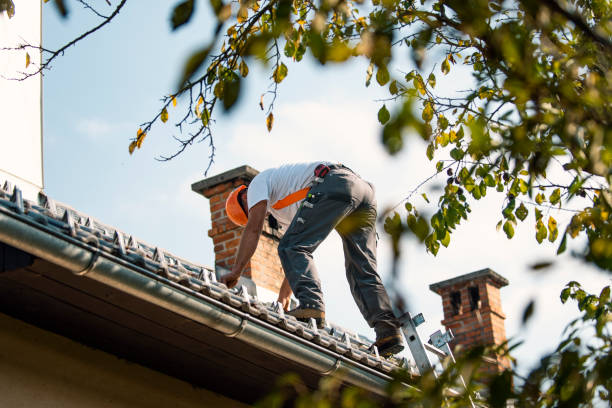
A roof serves as one of the most critical elements of your home, providing protection against the elements and ensuring structural integrity. Over time, however, even the most durable roofs can deteriorate due to age, weather exposure, or poor maintenance. Recognizing the early warning signs can help you determine when a full roof replacement is necessary. Below are some key indicators that it may be time to invest in a new roof.
1. Age of Your Roof
The lifespan of your roof depends on its material: – Asphalt shingles: Typically last 20–30 years. – Metal roofs: Can last 40–70 years or more. – Clay or concrete tiles: Durable for up to 50–100 years. – Wood shakes or shingles: Usually last around 20–40 years.
If your roof is nearing the end of its expected lifespan, it’s important to have it inspected by a professional roofer. Even if there’s no visible damage, older roofs are more prone to leaks and other issues.
2. Visible Damage on Shingles
Shingles act as your roof’s primary defense against water and UV rays. Signs of damage such as curling, buckling, or cracked shingles indicate that they are no longer offering full protection: – Curling shingles: Often caused by moisture absorption over time. – Buckled shingles: A result of poor installation or age-related warping. – Cracked shingles: Usually due to excessive heat exposure during seasonal changes.
When a significant portion of your shingles shows these signs of wear, replacing the entire roof may be more cost-effective than ongoing repairs.
3. Frequent Leaks and Water Damage
Water stains on ceilings or walls are clear indications that your roof might be compromised. Persistent leaks not only damage your home’s interior but can also lead to mold growth and weakened structural components: – Inspect attic spaces for dark spots or streaks caused by water penetration. – Check exterior walls for peeling paint from trapped moisture.
If leaks occur frequently despite repairs, this could mean widespread damage beneath the roofing materials.
4. Missing Shingles or Granules
Missing shingles create vulnerable areas where water can enter your home. Additionally, granule loss weakens asphalt shingles’ defense against harsh weather: | Loss Indicators | What It Means | |—————————————–|—————————————-| | Bald patches on asphalt shingles | Granules have eroded due to aging | | Loose granules found in gutters | Indicates shingle deterioration |
While repairing individual missing shingles may suffice temporarily, widespread loss signals that replacement is necessary.
5. Sagging Rooflines
A sagging section on your roof typically points to underlying structural problems such as weakened decking or damaged rafters caused by prolonged water exposure: – Look for dips in straight rooflines when viewing from ground level. – Investigate interior spaces for sagging ceilings near affected areas.
Structural issues demand attention quickly before they worsen and compromise safety.
6. Rising Energy Bills
One lesser-known sign that you may need a new roof is higher energy costs during extreme weather seasons: – Damaged insulation within an aging roof allows heat escape during winter months. – Poor ventilation leads to excessive heat buildup in summer—forcing HVAC systems to work harder.
Replacing the old roofing system with modern materials featuring better insulation properties can lower energy consumption over time.
Final Thoughts
Keeping an eye out for these warning indicators ensures you address potential roofing problems proactively rather than waiting for costly emergencies. Regular inspections by licensed contractors can confirm whether your current issues require targeted repairs—or if it’s time for a complete replacement tailored to meet long-term needs effectively and efficiently.
How to Identify When Your Roof Needs Replacement with a St Michael MN Roofer
Determining when a roof has reached the end of its lifespan is crucial for protecting your home from potential damage. Over time, even the most well-constructed roofs deteriorate due to weather conditions, wear and tear, and age. Knowing when it’s time for a replacement can save you from costly repairs or structural issues down the line. Below are key factors and indicators that homeowners should consider when evaluating their roof’s longevity.
Signs Your Roof May Be Nearing the End of Its Lifespan
- Asphalt shingles: 20–30 years
- Metal roofs: 40–70 years
- Clay or slate tiles: 50+ years
If your current roof is nearing or has exceeded its typical lifespan, it might be time to plan for a replacement. - Curling or buckling shingles indicate weather-related damage or poor ventilation.
- Bald spots where granules have eroded away expose underlying materials to harmful UV rays.
- Leaks and Water Stains:
Persistent leaks or noticeable stains on walls and ceilings often point to compromised roofing systems that need attention immediately. - Sagging Roofline:
A drooping or sagging roofline signifies structural issues, which often require a full replacement rather than simple repairs. - Excessive Moss or Algae Growth:
Moss and algae can trap moisture against roofing materials, accelerating deterioration over time.
Factors That Accelerate Roof Aging
| Factor | Description |
| Poor Ventilation | Trapped heat and moisture in attics cause shingles to age prematurely. |
| Severe Weather Events | Hailstorms, hurricanes, and heavy snow can cause extensive damage quickly. |
| Improper Installation | A poorly installed roof may fail sooner than one installed by professionals. |
| Lack of Maintenance | Regular inspections and upkeep are key for extending a roof’s lifespan. |
When Repairs Are No Longer Enough
- Widespread Damage – If more than one-third of your shingles have been damaged by wind, hail, or other elements.
- Recurring Problems – Frequent leaks even after repeated repairs signal deeper issues at play.
- Increased Energy Bills – Failing insulation due to an aging roof system could lead to higher heating and cooling costs.
Professional Roof Inspections
- The overall condition of your roofing materials.
- Potential weak points like flashing around chimneys or vents.
- Underlying structural integrity beneath shingles.
Investing in routine inspections—particularly after major storms—can help identify problems early before they escalate into costly replacements.
By carefully monitoring these signs and factors, homeowners can make informed decisions about when it’s appropriate to replace their roofs—ensuring long-lasting protection for their homes in the process.

Top Reasons to Call a Roofing Contractor Saint Michael MN for Curling or Buckling Shingles
Curling or buckling shingles are among the most obvious signs that your roof may need replacing. While they may seem like minor cosmetic problems, they often indicate deeper structural issues that can compromise the integrity of your roof. Here’s what you need to know about curling and buckling shingles and why they shouldn’t be ignored.
What Causes Shingles to Curl or Buckle?
- Age of the Roof: As shingles near the end of their lifespan (typically 20–30 years for asphalt), they begin to deteriorate, causing them to lose flexibility and curl upward.
- Improper Installation: If shingles were not installed correctly, such as being nailed in the wrong spots, this could create tension and lead to deformation over time.
- Moisture Problems: Poor attic ventilation can trap moisture beneath the roof deck, weakening the adhesive that holds shingles in place and causing them to warp.
- Weather Conditions: Prolonged exposure to sunlight, heavy rains, or cycles of freezing and thawing can contribute to shingle damage over time.
Why Curling Shingles Are a Red Flag
- Water Penetration: Curled edges create openings where water can seep under the shingles and into your home, leading to leaks and water damage inside your property.
- Reduced Lifespan: Once curling begins, it accelerates wear on adjacent shingles as well. This means other parts of your roof may start deteriorating faster than expected.
- Decreased Energy Efficiency: Damaged shingles reduce insulation, making it harder for your home to maintain consistent temperatures—resulting in higher heating or cooling costs.
- Aesthetics & Property Value: A roof with curled or buckled shingles diminishes curb appeal and could lower your property value if you’re planning on selling.
Repair vs Replacement for Curling Shingles
If only a small number of shingles are affected by curling, a partial repair may suffice in some cases. However, if many areas across the roof show signs of curling or buckling—or if other damage is evident—a full replacement is often recommended.
| Condition | Repair Recommended? | Replacement Recommended? |
| Minor curling in isolated areas | Yes (if caught early) | No |
| Widespread curling | No | Yes |
| Underlying structural damage | No | Yes |
Preventative Steps for Future Roof Health
- Ensure proper attic ventilation during installation.
- Schedule routine inspections from professional roofers.
- Choose high-quality roofing materials suited for your climate.
- Avoid walking unnecessarily on your roof.
Addressing curling or buckling shingle problems promptly ensures lasting protection for both your home and family while safeguarding against costly repairs down the road.
Top Reasons to Seek Roofing Services St Michael MN for Missing Shingles or Granules
A roof is one of the most critical components of a home, protecting it from the elements and maintaining structural integrity. Missing shingles or granules are more than just cosmetic issues—they can be early indicators of larger problems that may require immediate attention. Ignoring these signs can result in costly damage over time. Let’s explore why these issues warrant prompt action.
The Role of Shingles and Granules
- Protecting shingles from harmful UV exposure.
- Enhancing durability by preventing premature aging.
- Helping with water runoff to avoid pooling on your roof.
When shingles or granules go missing, it compromises your roof’s ability to perform these functions effectively. This leaves your home vulnerable to leaks, rot, and other damages.
Key Reasons to Address Missing Shingles or Granules Immediately
- Increased Risk of Leaks
Missing shingles expose the underlayment beneath your roof. Over time, water can seep through these exposed areas into your attic or ceiling. This could lead to mold growth, structural damage, and costly repairs. - Reduced Weather Resistance
Shingles act as the first line of defense against harsh weather conditions such as heavy rainstorms and strong winds. Missing sections weaken this barrier significantly. - Diminished Energy Efficiency
The granules on asphalt shingles reflect sunlight and help regulate indoor temperatures by reducing heat absorption. A lack of granules can lead to increased energy bills as your HVAC system works harder to maintain comfortable temperatures. - Accelerated Roof Deterioration
Without adequate protection from granules or intact shingles, other parts of the roof system—like the underlayment or decking—can degrade faster than expected.
How to Spot These Issues
- Bald patches on asphalt shingles where granules have eroded.
- Shingle fragments lying around in gutters or on the ground after storms.
- Discoloration patches across sections of roofing.
- Visible gaps where shingles should be present.
Homeowners should inspect their roofs periodically—especially after severe weather events—or hire a professional roofer for a thorough evaluation.
Potential Costs Associated with Delayed Action
| Issue | Immediate Replacement Cost | Repair Cost After Delay |
| Small section with missing shingles | $150–$300 | $1,000–$5,000 (if leaks develop) |
| Severe granule loss (entire roof) | $5,000–$10,000 | $10,000–$20,000+ (due to rotted decking) |
Taking swift action ensures both long-term savings and peace of mind.
Steps You Can Take Today
- Schedule an inspection with a licensed roofer who can assess overall damage.
- Replace damaged sections promptly before problems worsen.
- Consider investing in high-quality roofing materials known for durability against wear-and-tear risks.
Regular maintenance combined with proactive attention goes a long way in extending your roof’s lifespan while keeping repair costs manageable over time.
Essential Tips for Choosing the Right Metal Roof Color for Your Home
Choosing the right color for your metal roof is a critical decision that affects not only your home’s aesthetic appeal but also its energy efficiency and resale value. Here are some essential tips to guide you through this process.
Consider Your Home’s Architectural Style
The architectural style of your home plays a significant role in determining which metal roof color will look best.
- Traditional Homes: Neutral tones like black, gray, or brown often work well with classic architectural styles.
- Modern or Contemporary Homes: Bold colors such as deep red, blue, or even metallic finishes can complement modern designs.
- Cottage-Style or Farmhouse Homes: Earthy hues like green, tan, or rustic red fit these styles perfectly.
Ensure the roof color harmonizes with the overall design to enhance curb appeal without appearing out of place.
Match or Contrast with Exterior Features
Your metal roof should either match or beautifully contrast with other exterior elements of your home such as siding, doors, and window trims. A cohesive color scheme helps create visual balance while elevating the home’s appearance.
- For homes with light-colored exteriors (e.g., beige or white siding), darker roof colors like charcoal gray can add contrast.
- Homes with darker exteriors may benefit from lighter roof shades like light gray or sandy tones for balance.
Evaluate Climate and Energy Efficiency
| Roof Color | Climate Suitability | Benefits |
| Light Colors (White, Light Gray) | Hot/Sunny Regions | Reflect sunlight and reduce cooling costs. |
| Dark Colors (Black, Dark Brown) | Cold Regions | Absorb heat and help retain warmth during winter months. |
Selecting a color appropriate for local weather conditions can lead to long-term savings on energy bills.
Check HOA Guidelines
If you live in a neighborhood governed by a Homeowners’ Association (HOA), be sure to review their guidelines before choosing your metal roof color. Many associations have strict rules about acceptable roofing materials and colors to maintain uniformity within the community.
Plan for Longevity
Unlike repainting walls, replacing a metal roof is a long-term investment. Choose a timeless color that you’ll enjoy for decades instead of trendy hues that might fall out of favor quickly. Neutral tones often provide lasting appeal and better resale value if you plan to sell your home in the future.
Request Samples Before Making a Final Decision
Before finalizing your choice, request physical samples from roofing contractors or manufacturers to see how different colors look under natural light around your property. This step helps avoid surprises after installation and ensures you’re satisfied with the result.
When selecting the ideal metal roof color, it’s essential to combine personal preferences with practical considerations such as energy efficiency, architectural style compatibility, and longevity. By carefully evaluating these factors, you’ll make an informed decision that enhances both form and function for years to come.
Essential Tips for Choosing the Right Metal Roof Color for Your Home
Selecting the ideal metal roof color for your home is a decision that goes beyond aesthetics. A well-chosen roof color can enhance your home’s curb appeal, complement the surrounding environment, and even improve energy efficiency. Below are essential tips to guide you in making the right choice.
Consider Your Home’s Exterior Color Palette
Your roof should harmonize with the existing colors of your house, including siding, trim, and accent features like shutters or doors. Here are some matching suggestions:
– Neutral Tones: If your home features neutral tones such as beige or gray, a metal roof in black, dark gray, or bronze creates a sophisticated look.
– Brick Homes: For houses with red brick exteriors, earthy tones like brown or green can complement the natural warmth of brick.
– Vibrant Colors: If your home’s exterior is painted in bold colors (e.g., blue or yellow), opting for muted roof colors will balance the overall appearance.
Factor in Local Climate and Energy Efficiency
Metal roofing offers excellent energy efficiency properties when paired with lighter colors that reflect sunlight. Lighter shades like white, light gray, or beige reduce heat absorption in warmer climates by promoting better cooling performance during summer months. Conversely, darker hues help retain heat and might be better suited for colder regions.
| Roof Color | Best Climate | Key Benefit |
| White/Beige | Hot/Sunny Climates | Reduces cooling costs |
| Dark Gray/Black | Cold Climates | Retains indoor warmth |
| Green/Brown | Mild Climates | Versatile aesthetics |
Match Roofing Style with Architectural Design
The architectural style of your home plays an important role in choosing a complementary color:
– Modern Homes: Go for sleek metallic finishes like silver or matte black to match contemporary designs. – Traditional Styles: Shades like brown, red, or forest green create a timeless appearance suitable for Colonial or Craftsman homes. – Farmhouse Designs: Opt for white roofs paired with dark trim to achieve a classic yet bright contrast.
Evaluate HOA Guidelines and Neighborhood Trends
Many neighborhoods have Homeowners Association (HOA) rules dictating allowable styles and colors for roofing materials. Check these guidelines before making your final decision to ensure compliance while maintaining harmony within community standards.
Use Digital Visualization Tools
Online tools offered by manufacturers allow homeowners to upload images of their property and experiment with various roof color options virtually. These tools provide a realistic preview of how different shades would look on your home.
Final Thoughts on Metal Roof Color Selection
Ultimately, choosing the right metal roof color involves striking a balance between functionality and visual appeal. By carefully considering factors such as climate suitability, architectural style alignment, and neighborhood trends alongside personal preferences, you can make an informed decision that adds long-term value to your property while enhancing its overall aesthetic appeal.
- Comprehensive 10-Step Guide to Installing Metal Roofing by a St Michael MN Roofer
- The Importance of Professional Roofing Services St Michael MN After Severe Storms
- The Step Process to Your Roof Replacement with a Trusted Roofing Contractor Saint Michael MN
- Key Warning Indicators That Mean It’s Time to Call a St Michael MN Roofing Company for a Full Roof Replacement
- Key Warning Signs You Need a Roof Replacement from a St Michael MN Roofer
- Comprehensive Guide by St Michael MN Roofing Company: How to Install Metal Roofing in 8 Steps
- Comprehensive Guide for Post-Hail and Wind Damage Repair by a St Michael MN Roofer
- Tips from a St Michael MN Roofer on Identifying Common Signs of Roof Damage